Crafting Military 3D Explainers for Complex Tech Tutorials
Introduction
Ever wondered how to break down the intimidating world of military tech into bite-sized, visual lessons? As a content creator, YouTuber, or video producer, you're in a prime spot to demystify complex subjects like advanced weaponry systems or tactical simulations. Military 3D explainers transform abstract concepts into dynamic, interactive tutorials that captivate audiences and boost engagement. Let's explore how to craft these powerful tools that educate while entertaining.
Why Choose Military 3D Explainers?
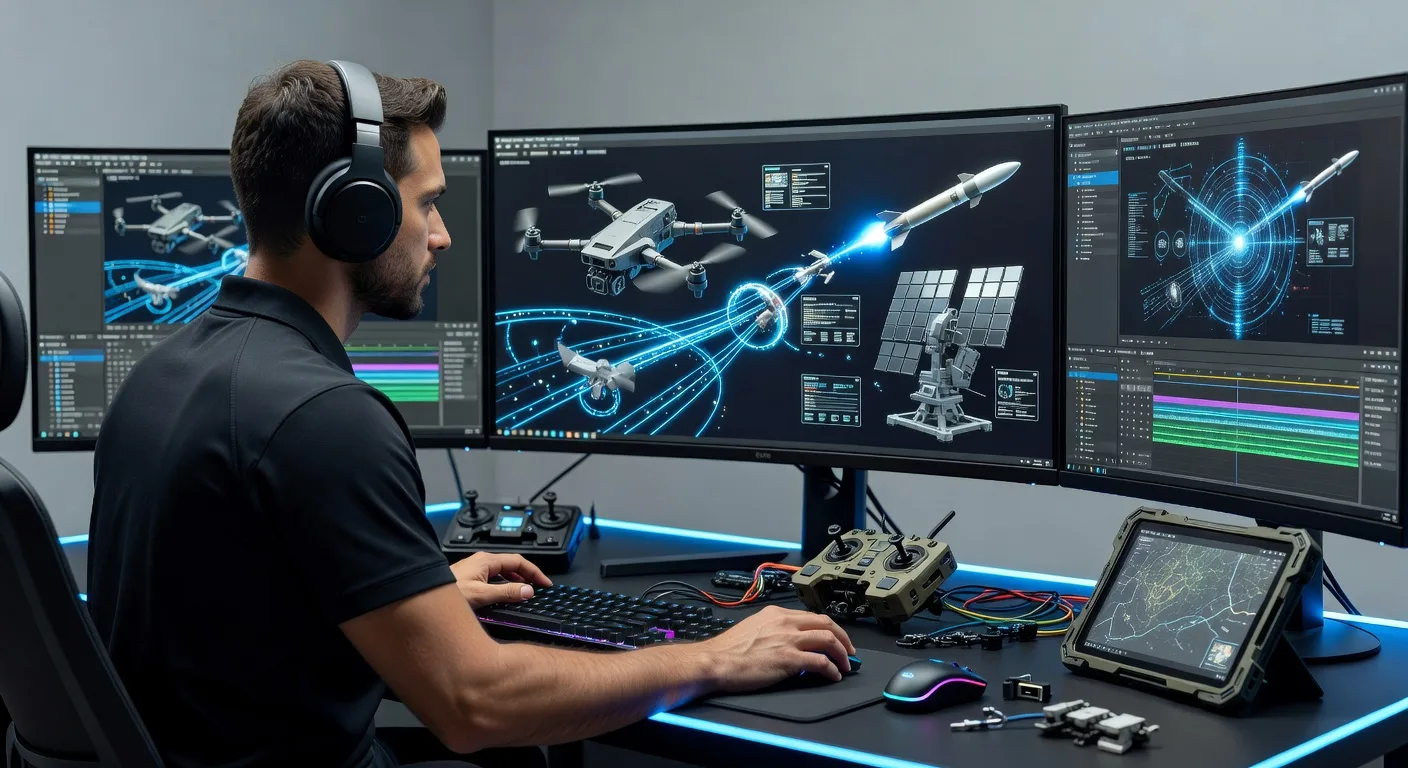
Military 3D explainers shine when traditional videos fall short in explaining layered tech. They allow viewers to visualize processes like drone navigation or radar systems in a 360-degree space, making learning intuitive. For instance, imagine animating a missile guidance sequence where users can pause and rotate the model to see internal mechanics. This approach not only clarifies dense topics but also builds trust with viewers who crave depth. By focusing on precision and detail, these explainers cater to niche audiences like tech enthusiasts or professionals in defense industries.
Essential Tools for Building 3D Tutorials
Selecting the right software is key to producing high-quality military 3D explainers. Blender, a free powerhouse, excels in modeling intricate components like vehicle chassis or satellite orbits. Pair it with Cinema 4D for smoother animations, especially when integrating AI plugins to automate repetitive tasks. Don't overlook Unreal Engine for real-time rendering, which lets you simulate environments like battlefield scenarios. For beginners, tools like Maya offer tutorials to ease the learning curve. Remember, combining these with motion design apps such as After Effects enhances the final output, ensuring tutorials flow seamlessly.
💡 Looking for professional Military 3D Explainer services? Check out our Fiverr gig to get started today!
Streamlining Workflows with AI and Pipelines
In 2026, AI-driven workflows revolutionize military 3D explainers by speeding up production. Use machine learning models to generate base models from sketches, then refine them in a 3D pipeline that includes rigging and texturing. For example, incorporate AI for procedural generation of terrain in a training simulation explainer. This not only cuts down on manual labor but also allows for rapid iterations. Collaborate across teams by sharing assets via cloud platforms, ensuring everyone from modelers to animators works efficiently. Integrating these modern techniques keeps your content cutting-edge and scalable.
Practical Strategies for Technical Education
To make military 3D explainers educational, focus on user interaction. Add hotspots that reveal info on hover, like explaining a tank's armor layers. Tailor content for different audiences—simplify jargon for novices while delving deeper for experts. Test usability by gathering feedback on clarity and pacing. If you're expanding to product operations, link these explainers to 3D product animation services for cohesive branding. This strategy turns complex tech into accessible knowledge, fostering better understanding and retention.
Quick Checklist for Creating Military 3D Explainers
- Define your audience and core message to guide the explainer's focus.
- Sketch initial concepts, including key visuals and narrative flow.
- Choose software like Blender or Cinema 4D based on project complexity.
- Incorporate AI tools for modeling and animation to streamline processes.
- Test interactivity features, such as rotations or info pop-ups.
- Review for accuracy by consulting experts in military tech.
- Optimize for various platforms, ensuring mobile-friendly viewing.
- Gather viewer feedback post-launch to refine future tutorials.
Frequently Asked Questions
What makes military 3D explainers different from regular videos?
They offer interactive 3D elements that let viewers explore concepts hands-on, unlike flat videos, making complex tech more engaging and memorable.
Can beginners create these without advanced skills?
Absolutely—start with user-friendly tools like Blender's tutorials and gradually incorporate AI plugins to handle intricate parts.
How do AI workflows fit into the process?
AI accelerates tasks like generating models or animating sequences, allowing creators to focus on storytelling rather than manual rendering.
What's a good example of a military 3D explainer?
Visualizing a submarine's sonar system, where users can zoom into components and see real-time data simulations.
How can I monetize these tutorials?
Partner with educational platforms or defense companies, or use them to grow your channel's subscriber base through premium content.
Conclusion
Military 3D explainers empower you to teach complex tech with flair, blending creativity and precision. Start small by experimenting with one tutorial, then scale up using AI and robust pipelines. Ready to elevate your content? Explore our military 3D explainer services to get started on your next project. Your audience awaits clearer, more captivating education!
Ready to Get Started?
If you're looking for professional Military 3D Explainer services, I'm here to help! Visit my Fiverr profile to see my portfolio and place an order.
Turn this workflow into real deliverables
Browse production-ready 3D assets for your next project, then step into military 3d explainer if you need a custom build.