Motion Design AI: Top Tools Revolutionizing Visual Storytelling
Introduction
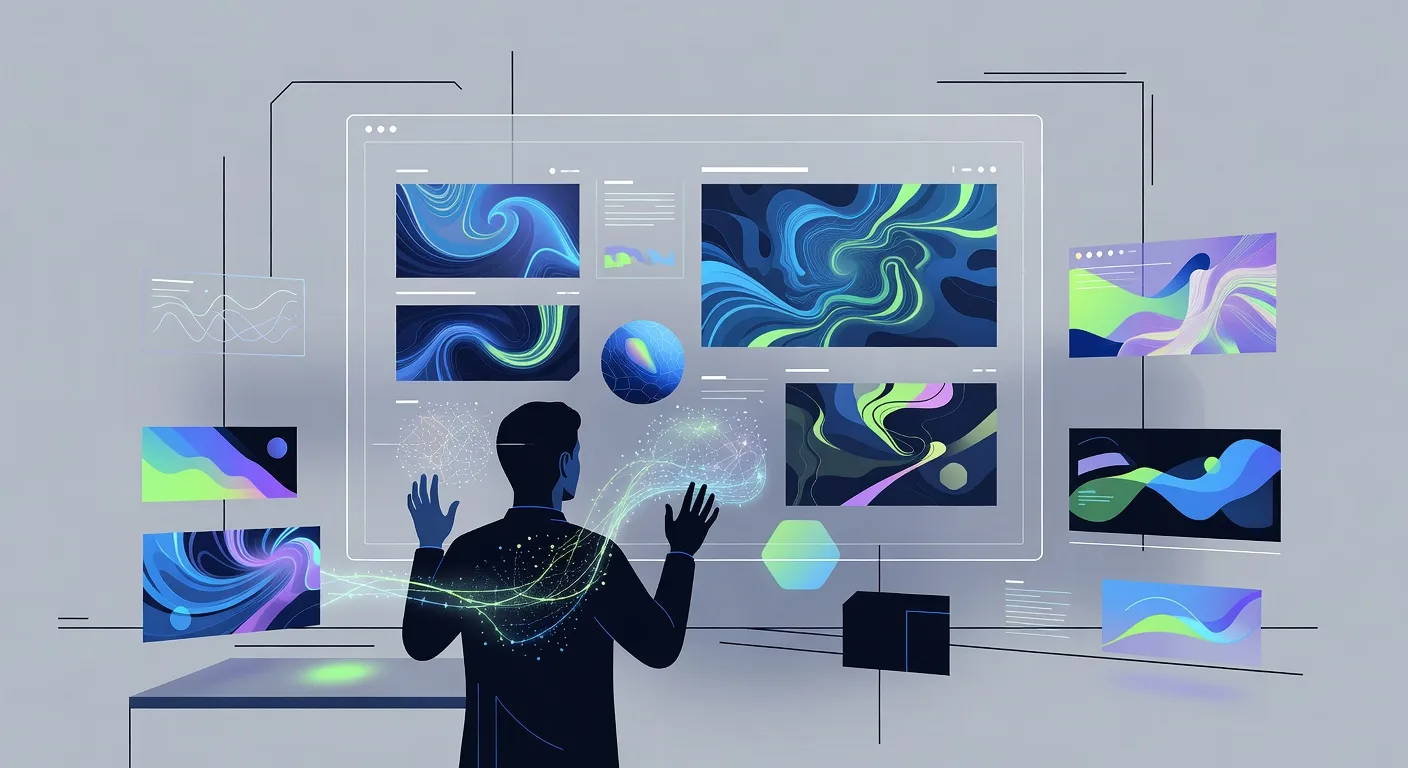
Visual storytelling has always been the heartbeat of compelling marketing, but in 2026, AI is injecting new vitality into motion design. Imagine crafting dynamic animations that adapt in real-time to audience data, blending 3D assets with fluid narratives that feel alive. This isn't sci-fi—it's the reality for brand managers leveraging AI tools to elevate their campaigns. As digital production evolves, these innovations empower professionals to create stories that resonate deeply, turning static ideas into interactive experiences.
The Rise of AI in Motion Design
AI's integration into motion design marks a pivotal shift, moving beyond manual keyframes to intelligent automation. Tools now analyze user engagement patterns, suggesting tweaks that enhance emotional impact without endless revisions. For instance, AI algorithms can generate particle effects that mimic natural phenomena, like swirling smoke in a product launch video, saving hours of tedious work. This evolution allows creators to focus on strategic vision, using AI as a collaborative partner in refining 3D workflows and plugin integrations.
Leading AI Tools Shaping Visual Narratives in 2026
💡 Looking for professional 3D Product Animation services? Check out our Fiverr gig to get started today!
Several standout tools are leading the charge, each offering unique capabilities for modern marketing execution. Runway ML excels in generative video editing, enabling users to transform simple sketches into polished animations through AI-driven scene generation. Synthesia provides avatar-based storytelling, where AI voices and expressions bring scripts to life, ideal for explainer videos without on-camera talent. For 3D enthusiasts, Adobe Sensei integrates seamlessly with After Effects, automating rigging and texturing processes to streamline complex renders. These tools not only accelerate production but also democratize high-quality motion design, making it accessible to smaller teams.
AI-Enabled Workflows for Enhanced Storytelling
Incorporating AI into workflows transforms how marketing professionals approach visual storytelling. Start by inputting core concepts into an AI platform, which then proposes storyboard variations based on brand guidelines. This iterative process refines narratives, ensuring they align with audience insights gathered from social data. For example, combining AI with 3D modeling tools allows for rapid prototyping of product animations, where virtual environments adapt to real-world physics simulations. Such integrations foster efficient pipelines, reducing bottlenecks in creator tooling and freeing up resources for innovative experimentation.
Benefits and Real-World Applications
The advantages extend to measurable outcomes in marketing. Brands using AI motion design report up to 40% faster turnaround times on campaigns, with improved engagement metrics. Consider a fashion retailer deploying AI-generated runway animations for virtual shows, attracting global viewers without physical events. In e-commerce, AI tools create personalized product demos, tailoring visuals to user preferences for higher conversion rates. These applications highlight how AI not only enhances creativity but also delivers tangible ROI, positioning motion design as a cornerstone of adaptive marketing strategies.
Quick Checklist for Adopting AI Motion Design
- Evaluate your current workflow for AI integration points, focusing on repetitive tasks like keyframing.
- Research tools like Runway ML or Synthesia for compatibility with existing software stacks.
- Train team members on AI basics to ensure smooth adoption and ethical use of generated content.
- Test AI-generated assets in small campaigns to gauge audience response and refine outputs.
- Incorporate data analytics to feed back into AI models, improving future storytelling accuracy.
- Budget for cloud-based processing to handle intensive 3D renders without local hardware constraints.
- Collaborate with AI specialists to customize plugins for brand-specific visual styles.
Frequently Asked Questions
What makes AI tools different from traditional motion design software? AI tools introduce predictive capabilities, learning from vast datasets to suggest optimizations, whereas traditional software relies on manual input for every element.
How can I ensure AI-generated content aligns with my brand's voice? Input brand guidelines and reference materials into the tool, then review and iterate on outputs to maintain consistency.
Are there cost barriers to adopting these tools? Many offer tiered pricing, with free trials available, making them viable for startups and enterprises alike.
Can AI handle complex 3D animations? Yes, advanced tools like those with AI rigging automate intricate processes, though human oversight ensures artistic finesse.
What skills do I need to get started with AI motion design? Basic familiarity with digital tools suffices; most platforms include tutorials, emphasizing creativity over technical expertise.
Conclusion
Embracing AI in motion design isn't just about keeping pace—it's about redefining visual storytelling for 2026 and beyond. By adopting these tools, marketing professionals can unlock unprecedented creativity, delivering narratives that engage and convert. Ready to transform your approach? Explore our 3D product animation services or custom logo animation services to get started today.
Ready to Get Started?
If you're looking for professional 3D Product Animation services, I'm here to help! Visit my Fiverr profile to see my portfolio and place an order.
Turn this workflow into real deliverables
Browse production-ready 3D assets for your next project, then step into 3d product animation if you need a custom build.