Emerging Technologies Transforming Ecommerce’s Next Decade
Introduction
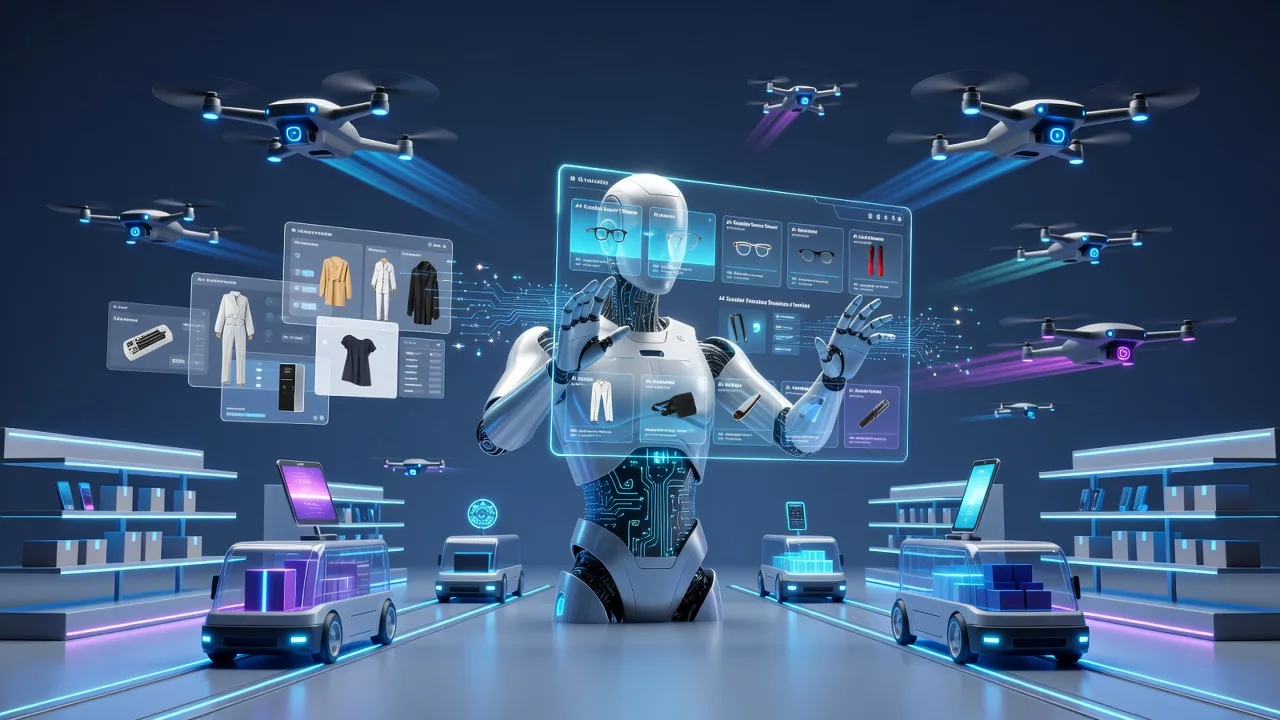
The ecommerce landscape is on the cusp of a profound transformation. As we move through 2026, emerging technologies are not only enhancing how consumers shop but also revolutionizing the entire retail ecosystem. For marketing professionals and brand managers, understanding these shifts is crucial to staying competitive and meeting evolving customer expectations. This article explores the key technological trends shaping ecommerce over the next decade, from AI-driven personalization to autonomous delivery systems, and what they mean for the future of retail.
AI Personalization and Conversational Commerce
Artificial intelligence (AI) personalization is becoming a baseline expectation in ecommerce. By 2026 and beyond, retailers are deploying AI at scale to tailor product recommendations, pricing, and promotions uniquely to each shopper’s preferences and behavior. This shift is supported by advancements in machine learning algorithms that analyze vast datasets in real time.
Additionally, conversational commerce—using voice assistants and chatbots—has emerged as a standard discovery channel. Voice commands and natural language interfaces allow customers to interact with brands more intuitively, streamlining the path from search to purchase. Retailers like Walmart and Amazon have begun piloting AI shopping assistants that autonomously handle product searches and transactions, signaling a future where AI agents act as personal shoppers.
These AI-driven experiences reduce friction, increase engagement, and boost conversion rates by making shopping more relevant and accessible. For brand managers, investing in AI capabilities means not just personalization but also creating seamless, conversational touchpoints that meet customers where they are.
Immersive Technologies: AR, VR, and Headless Commerce
Augmented reality (AR) and virtual reality (VR) technologies are reshaping how consumers interact with products online. Mobile AR commerce, which overlays digital images onto the physical world through smartphones, is becoming widespread. Virtual try-on features enable customers to visualize apparel, accessories, or furniture in their own environment before buying, reducing uncertainty and returns.
Complementing this, headless commerce architectures decouple the front-end presentation layer from the back-end ecommerce platform. This flexibility allows retailers to deliver faster, more responsive experiences across multiple channels, including AR and VR interfaces. Headless solutions also improve site speed significantly—by 20 to 50%—which correlates with higher conversion rates and lower bounce rates.
By 2027–2029, immersive virtual commerce is expected to become commercially viable at scale, offering fully interactive, 3D shopping environments. This evolution will enable brands to create unique, engaging experiences that blend digital and physical retail.
Revolutionizing Fulfillment: Micro-Fulfillment, Edge Computing, and Autonomous Delivery
Fast, reliable fulfillment remains a cornerstone of ecommerce success. Micro-fulfillment centers (MFCs)—compact warehouses located close to urban consumers—are scaling rapidly. Forecasts predict around 1,000 in-store and 120 dark-store MFC installations by 2030. These facilities enable ultra-fast delivery, often within hours, catering to rising consumer demand for immediacy.
Behind the scenes, edge computing is accelerating Industry 4.0 in retail logistics. By processing data locally rather than relying solely on cloud servers, edge computing reduces latency to 3–5 milliseconds, enabling real-time inventory updates and robotic automation in warehouses. Investments in edge computing are projected to reach $378 billion by 2028, underlining its critical role in next-generation fulfillment.
On the delivery front, drones and autonomous vehicles are poised to revolutionize last-mile logistics. Drones offer faster, more sustainable, and flexible delivery options, especially for lightweight packages. Autonomous ground vehicles, increasingly electrified, optimize routes and reduce emissions while providing door-to-door service. By 2030, these technologies are expected to become mainstream, significantly cutting delivery times and costs.
Cross-Border Ecommerce and Payment Innovations
Global ecommerce continues to expand, with cross-border transactions becoming a major growth driver. The cross-border payments market alone is forecasted to surpass $50 billion between 2026 and 2030. However, challenges remain, such as high payment failure rates—11% on average—that cost U.S. merchants billions annually.
B2B ecommerce is rapidly growing as a segment of cross-border trade, expected to become the largest category by 2030. To capitalize on this, retailers and payment providers are working to create more secure, reliable, and frictionless payment rails that accommodate multiple currencies and regulatory environments.
Regulatory frameworks like the European Union’s Digital Markets Act (DMA) and AI Act are shaping the landscape by enforcing consumer protections and data privacy standards. Compliance with these regulations will be essential for brands operating internationally, ensuring trust and transparency in digital transactions.
Integrating Omnichannel Strategies with Machine Learning
Omnichannel retail, which provides a seamless shopping experience across physical stores, online platforms, and mobile apps, remains a critical strategy. Machine learning is enhancing omnichannel execution by optimizing inventory placement, predicting demand, and personalizing marketing across channels.
Retailers like Target have demonstrated the value of this approach, using AI to power same-day fulfillment services that contributed to revenue growth in early 2026. By leveraging data-driven insights, brands can reduce stockouts, improve delivery speed, and create more cohesive customer journeys.
Quick Checklist for Retailers Embracing Emerging Ecommerce Tech
- Implement AI-driven personalization tools to tailor product recommendations and pricing.
- Explore conversational commerce platforms to enable voice and chat interactions.
- Invest in AR and VR technologies for immersive product experiences.
- Transition to headless commerce architectures for improved site performance.
- Develop micro-fulfillment capabilities to support ultra-fast delivery.
- Integrate edge computing solutions to enable real-time inventory and robotic automation.
- Pilot autonomous delivery methods such as drones and electric autonomous vehicles.
- Strengthen cross-border payment infrastructure to reduce transaction failures and comply with regulations.
Frequently Asked Questions
Q1: What is headless commerce, and why is it important?
Headless commerce separates the front-end user interface from the back-end ecommerce system. This separation allows retailers to deliver faster, more customizable shopping experiences across different platforms, improving site speed and flexibility.
Q2: How do autonomous AI purchasing agents work?
These AI agents can autonomously search, select, and purchase products on behalf of customers, often across multiple websites. They use advanced algorithms to match preferences and handle transactions, streamlining the shopping process.
Q3: What benefits do micro-fulfillment centers offer?
Micro-fulfillment centers are small, localized warehouses that enable rapid order processing and delivery, often within hours. They reduce shipping costs and improve customer satisfaction by shortening delivery times.
Q4: How will drones impact last-mile delivery?
Drones provide faster, contactless, and more sustainable delivery options, especially in urban or hard-to-reach areas. They help reduce traffic congestion and carbon emissions associated with traditional delivery vehicles.
Q5: What challenges exist with cross-border ecommerce payments?
Challenges include currency conversion, regulatory compliance, payment failures, and fraud prevention. Improving payment infrastructure and adhering to regulations like the DMA are key to overcoming these hurdles.
Final Thoughts
The next decade in ecommerce promises a convergence of technologies that will redefine retail as we know it. AI personalization and conversational commerce will make shopping more intuitive and tailored, while immersive AR and VR experiences will bridge the gap between digital and physical retail.
On the operational side, micro-fulfillment centers powered by edge computing and autonomous delivery vehicles will meet consumer demands for speed and sustainability. However, these advancements come with complexities—regulatory compliance, data privacy, and the need for robust payment systems remain critical challenges.
For marketing professionals and brand managers, the imperative is clear: embrace these emerging technologies thoughtfully, focusing on seamless integration and customer-centric innovation. The winners will be those who can balance cutting-edge capabilities with trust, transparency, and operational excellence.
In practice, this means investing in scalable AI tools, experimenting with immersive commerce, and preparing supply chains for automation and electrification. The bigger picture is a retail ecosystem that is faster, smarter, and more responsive to individual needs—ushering in a new era of ecommerce that is as dynamic as the technologies driving it.
Sources
- Future of E-commerce Technology: Key Trends and Leadership Moves
- IoT Market Future Trends | 2026–2035 Deep Dive
- Industry 4.0 Market Size & Share, Growth Analysis 2026-2035
- Drone Usage Can Revolutionize Last Mile Delivery - Smart Warehousing
- Micro Fulfillment Market - LogisticsIQ™
- Autonomous delivery vehicles revolutionize ecommerce by 2030
- Cross-border Payments Market Research, Size, Share 2026-30
- A Guide for Expanding Cross-Border eCommerce Strategy - TreviPay
- Digital Markets Act (DMA): A Consumer Protection Perspective
- Agentic AI and the Future of Retail E-Commerce
- Autonomous AI Purchasing Agents: Market Analysis and Future Outlook | innobu
- Machine Learning in Retail: Walmart & Target Case Studies 2024-25
Ready to Get Started?
Explore production-ready 3D models for your next project. Browse the 3D model catalog to download assets you can use right away.
Turn this workflow into real deliverables
Browse production-ready 3D models for your next project, then step into 3d modeling if you need a custom build.